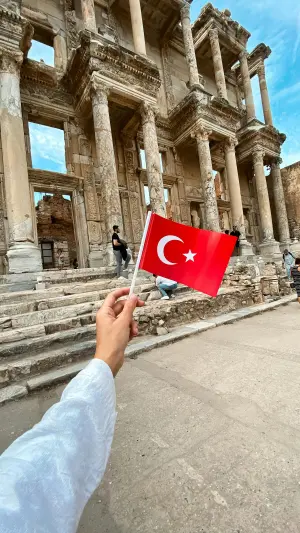
Turkey is not just another travel destination—it’s a country where East meets West, tradition meets modern life, and small cultural misunderstandings can completely shape your experience. Most tourists don’t run into problems because Turkey is difficult, but because they don’t understand how things work socially. This guide gives you the cultural awareness you actually need—so you don’t feel lost, awkward, or disrespectful.
Understanding Turkish Culture: The Big Picture
Turkish culture is a mix of modern urban lifestyle and deep-rooted traditions. In cities like Istanbul, you’ll find a fast-paced, European-like atmosphere. In smaller towns, traditions and conservative values are more visible. The key is simple: adapt to where you are.
Hospitality: Why Turks Treat You Like a Guest, Not a Customer
Hospitality is one of the strongest parts of Turkish culture. You may be offered tea, help, or even conversation without any expectation. This is normal—not a trick.
What tourists get wrong: They either become suspicious or overly transactional.
What to do instead: Accept small gestures politely. A simple “thank you” (teşekkür ederim) goes a long way.
Respect and Politeness Matter More Than You Think
Greetings
A handshake is common. Among friends or family, people may greet with a cheek kiss.
Communication Style
Turkish people can be direct, but also warm and expressive. Tone matters more than words.
Eye Contact
Maintaining eye contact shows confidence and respect.
Dress Code: Modern but Context Matters
In Cities
Dress is generally relaxed and modern.
In Mosques
Both men and women should dress modestly. Women should cover their hair, and everyone should avoid shorts or sleeveless clothing.
In Rural Areas
More conservative dress is recommended to avoid unwanted attention.
Religion: Visible but Not Overbearing
Turkey is a secular country with a Muslim-majority population. You will hear the call to prayer and see mosques everywhere, but daily life is not strictly religious.
What to respect:
- Remove shoes when entering mosques
- Stay quiet during prayer times
- Avoid disrespectful behavior near religious sites
Tipping Culture: What’s Expected?
- Restaurants: 5–10%
- Cafés: Small change
- Taxis: Round up the fare
- Hotels: Optional but appreciated
Tipping is not mandatory but is generally expected in tourist areas.
Bargaining: It’s Normal (But Not Everywhere)
Bargaining is common in bazaars and markets but not in restaurants or supermarkets.
How to do it:
- Start lower than the asking price
- Stay polite and friendly
- Be ready to walk away
Dining Culture: More Than Just Eating
Sharing Is Common
Meals are often shared, especially in traditional settings.
Take Your Time
Eating is social. Don’t rush.
Tea Culture
Tea (çay) is everywhere and often offered after meals or during conversations.
Common Cultural Mistakes Tourists Make
- Being too loud or impatient
- Ignoring basic greetings
- Refusing hospitality in a rude way
- Dressing inappropriately in cultural or religious places
Language: Do You Need Turkish?
You can get by with English in tourist areas, but not everywhere. Learning a few basic words makes a big difference:
- Merhaba (Hello)
- Teşekkür ederim (Thank you)
- Lütfen (Please)
Personal Space and Behavior
People may stand closer than you’re used to, especially in crowded areas. This is normal and not considered rude.
Final Thoughts
Turkish culture is not complicated—but it does require awareness. If you show basic respect, stay open-minded, and adapt to your surroundings, you’ll not only avoid mistakes—you’ll have a much richer experience.
Bottom line: You don’t need to fully understand the culture—you just need to respect it. That alone puts you ahead of most tourists.